May 21, 2026
Mobile Marketing for Restaurants: How to Reach Guests on Their Phones
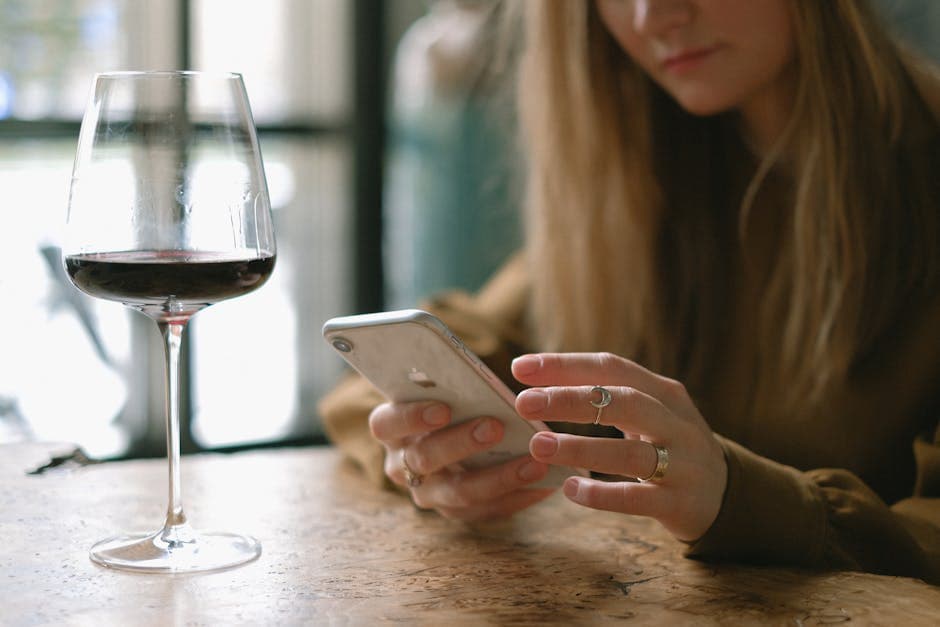
Think about how you use your own phone. You check texts, scroll social media, read reviews, and Google "best tacos near me" all before lunch. Your customers do the same thing. If your restaurant isn't showing up during those moments, you're invisible to a huge chunk of potential diners.
Mobile marketing for restaurants isn't some futuristic concept. It's what's happening right now, every single day, in your neighborhood. People decide where to eat based on what they see on their phones. The good news? You don't need a marketing team or a fancy budget to meet them there.
In this guide, we'll break down what mobile marketing actually means for independent restaurant owners, why it matters so much, and the specific things you can do to make your restaurant easy to find, easy to order from, and hard to forget. Let's dig in.
What Is Mobile Marketing for Restaurants?
Mobile marketing is simply any marketing effort designed to reach people on their smartphones and tablets. For restaurants, that includes things like showing up in Google searches, having a website that works well on a phone, being active on social media, sending text or email promotions, and making it easy for customers to order from their mobile devices.
It's not one tactic. It's a mindset. Every time a potential guest interacts with your restaurant online, there's a strong chance they're doing it from a phone. If that experience is clunky, slow, or confusing, they'll move on to the next option in about three seconds.
The shift toward mobile has been happening for years, but it accelerated dramatically. Most restaurant-related searches now happen on mobile devices. People look up menus, hours, directions, and reviews while they're on the go. Mobile marketing for restaurants means making sure every one of those touchpoints works smoothly and makes a great impression.
The Difference Between Mobile Marketing and Regular Marketing
You might be thinking, "I already have a website and a Facebook page. Isn't that enough?" Not quite. Traditional marketing assumes people are sitting at a desktop or seeing a billboard. Mobile marketing assumes they're standing in a parking lot, riding the bus, or lying on their couch with a phone in hand.
That changes everything. Your website needs to load fast on a cellular connection. Your menu needs to be readable without pinching and zooming. Your "Order Now" button needs to be easy to tap with a thumb. These details sound small, but they're the difference between winning a customer and losing one.
Why Mobile Marketing Matters More Than Ever for Restaurants
Let's be honest. The restaurant business is brutally competitive. In most neighborhoods, customers have dozens of options within a few minutes' drive. When someone gets hungry and pulls out their phone, you want your restaurant to be one of the first things they see.
Here's what's happening out there. The vast majority of people use their phones to search for local businesses, including restaurants. Google's local search results, the ones with the map and the star ratings, dominate mobile screens. If your Google Business Profile isn't optimized, you might as well not exist for those searchers.
Beyond search, think about how people discover new restaurants. They see a friend's Instagram post. They get a text from a place they ordered from last month. They read a glowing Google review while comparing two spots. All of these moments happen on phones, and all of them are opportunities for you.
Mobile marketing also directly impacts revenue. When it's easy to order from a phone, people order more often. When your social media looks appetizing, people visit. When you respond to reviews, people trust you. It all connects.
Make Your Website Mobile-Friendly (This Is Non-Negotiable)
If your restaurant's website looks terrible on a phone, fix this before you do anything else. Seriously. This is the foundation everything else is built on.
A mobile-friendly website means the text is readable without zooming, buttons are large enough to tap, pages load in under three seconds, and the most important information (menu, hours, location, and how to order) is front and center. Nobody should have to dig through five pages to find your phone number.
Here are the basics to get right:
Put your menu online in a readable format. No PDFs. PDFs are nearly impossible to read on a phone without constant pinching and scrolling. Use actual text on a webpage so people can read it easily and so Google can find it in searches.
Make your address and hours obvious. These should be visible on every page, ideally in the header or footer. Link your address to Google Maps so people can tap it and get directions instantly.
Add a clear "Order Online" button. If you offer online ordering, that button should be impossible to miss. Put it at the top of the page. Make it a bright, contrasting color. Every extra second someone spends looking for it is a second closer to them giving up.
Test it yourself. Pull out your phone right now and visit your own website. Is it easy to use? Would you order from it? Be brutally honest.
Get Your Google Business Profile in Shape
When someone searches "restaurants near me" on their phone, Google shows a map with a handful of local results. Getting into that map pack is one of the most powerful things you can do for your restaurant's mobile visibility.
Your Google Business Profile is free, and optimizing it doesn't take long. Here's what to focus on:
Claim and verify your listing. If you haven't done this yet, go to business.google.com and set it up. Make sure your name, address, and phone number are accurate.
Add high-quality photos. Listings with photos get significantly more clicks. Take well-lit pictures of your most popular dishes, your dining room, your patio, and your team. You don't need a professional photographer. A phone with good lighting works fine.
Keep your hours updated. Nothing frustrates a customer more than driving to a restaurant that's supposed to be open but isn't. Update your hours for holidays, special events, and any changes.
Respond to every review. This is huge. When potential customers see that you respond to reviews, both good and bad, it builds trust. It shows you care. It also signals to Google that your business is active, which can help your ranking. If keeping up with reviews feels overwhelming, tools like SWIPEBY's AI Review Management can automatically respond to Google Reviews on your behalf, saving you hours each week while keeping your reputation sharp.
Post updates regularly. Google Business Profile has a "Posts" feature that lets you share specials, events, and news. Most restaurants ignore this. Use it. It keeps your listing fresh and gives phone searchers more reasons to choose you.
Use Social Media Where Your Customers Already Scroll
Social media is mobile marketing. Think about it. Almost everyone uses Instagram and Facebook on their phones. When your restaurant shows up in someone's feed with a mouth-watering photo of your signature dish, that's mobile marketing at work.
You don't need to be on every platform. For most independent restaurants, Instagram and Facebook cover the bases. Here's how to make them work without losing your mind:
Post consistently. You don't need to post every day, but aim for three to four times a week. Consistency matters more than perfection.
Show the food. This sounds obvious, but too many restaurant accounts post generic quotes or stock images. Show YOUR food. Close-up shots, behind-the-scenes kitchen moments, a plate being carried to a table. Real content from your real restaurant.
Use local hashtags and location tags. When you post on Instagram, tag your location and use hashtags like #DallasEats or #BestPizzaInAustin. This helps local people discover you when they're browsing.
Engage with comments and messages. When someone comments on your post or sends a DM, respond quickly. These are potential customers reaching out. Treat it like someone walking up to your host stand.
If posting regularly feels like one more thing on an already packed to-do list, that's understandable. Some restaurants use AI-powered social media tools like SWIPEBY's AI Social Media Marketing to automatically generate and publish content to Instagram and Facebook, which takes the task off your plate entirely.
Make Online Ordering Simple on Mobile
Here's where mobile marketing connects directly to revenue. If a customer finds you on their phone and wants to order, the path from "I'm hungry" to "order placed" should be as short and smooth as possible.
A complicated ordering process kills conversions. If someone has to create an account, navigate a confusing menu, or deal with a page that doesn't load, they'll bail and order from somewhere else.
Focus on these things:
Fewer clicks, more orders. The best mobile ordering experiences let someone browse the menu, customize their item, and check out in under two minutes. Every unnecessary step is a point where you lose people.
Offer first-party ordering. Third-party apps take a big cut of every order. Having your own online ordering system means you keep more of the revenue and you own the customer relationship. That means you can market to them again later.
Highlight popular items. Make your bestsellers easy to find. Not everyone wants to scroll through your entire menu. Feature your top five dishes at the top so people can make quick decisions.
Accept mobile-friendly payment. Apple Pay, Google Pay, and saved credit cards make checkout fast. The easier it is to pay, the more likely someone is to complete the order.
Don't Forget Email and Text Marketing
Once someone has ordered from you or visited your restaurant, you have a chance to keep the relationship going. Email and text marketing are two of the most effective mobile marketing tools because they go directly to someone's phone.
Build your list. Collect email addresses and phone numbers through your online ordering system, your website, or even a simple signup sheet at the register. Offer a small incentive like 10% off their next order.
Send relevant offers. Don't spam people. Send a message when you have something worth sharing: a new menu item, a holiday special, a slow-night promotion. Once or twice a month is plenty for email. Texts should be even less frequent and more valuable.
Make it personal. "Hey Sarah, it's been a while! Your favorite chicken parm is calling your name. Here's 15% off your next order." That kind of message gets opened and acted on. Generic blasts get ignored.
Time it right. Send lunch promotions in the late morning. Send dinner offers in the mid-afternoon. Think about when people are making their food decisions and show up at that moment.
Frequently Asked Questions
How much does mobile marketing cost for a small restaurant?
Many mobile marketing strategies cost little or nothing. Optimizing your Google Business Profile is free. Posting on social media is free. Building an email list through your ordering system costs nothing extra. Where you might spend money is on a better website, online ordering tools, or paid social media ads, but you can start with the free stuff and add from there.
Do I need to hire someone to handle mobile marketing?
Not necessarily. Many independent restaurant owners handle it themselves, at least in the beginning. The key is to pick two or three tactics and do them well rather than trying to do everything at once. As your business grows, you can bring in help or use tools that automate parts of the process.
Is social media really worth it for a small restaurant?
Yes. Social media is one of the most effective ways for local restaurants to build awareness and stay top of mind. You don't need thousands of followers. Even a few hundred local followers who see your food regularly can drive meaningful traffic and orders.
What's the most important mobile marketing tactic to start with?
Start with your Google Business Profile and your website. These are the first things people see when they search for restaurants on their phones. If those two things look great, everything else you do will be more effective.
How do I know if my mobile marketing is working?
Track a few simple things. Are you getting more views on your Google Business Profile? Are more people visiting your website from their phones? Are online orders increasing? You don't need fancy analytics. Just keep an eye on the trends over a few months.
Start Where You Are
Mobile marketing for restaurants isn't about doing everything at once. It's about recognizing that your customers live on their phones and meeting them there, one step at a time.
Start with the basics. Make sure your website works on a phone, your Google listing is dialed in, and your social media shows off what makes your restaurant special. Then layer in online ordering, email marketing, and review management as you go.
The restaurants that thrive in the next few years will be the ones that make it ridiculously easy for someone on their phone to find them, love what they see, and place an order. You don't need to be a tech expert to make that happen. You just need to start.
If you're looking for a simpler way to pull all of these pieces together, SWIPEBY was built specifically for restaurants like yours, bringing online ordering, social media, review management, and email marketing into one AI-powered platform so you can focus on what you do best: making great food.
SWIPEBY AI
Interested in Increasing Sales Using AI?
Book a demo today and learn how SWIPEBY can help you automate marketing, serve more guests, and grow revenue without working more hours.