May 12, 2026
Food Trends in 2026: What Independent Restaurants Need to Know
If you've spent any time scrolling Instagram or reading industry news lately, you've probably noticed that food trends seem to change every other week. One day it's birria everything, the next it's lavender lemonade or some high-protein twist on a classic dish. For independent restaurant owners, it can be overwhelming. You're already juggling staffing, food costs, and keeping the lights on. Do you really need to chase every viral moment?
The short answer: no. But paying attention to the right food trends can help you attract new customers, keep regulars excited, and stay competitive with the chains that have entire R&D departments. The key is knowing which trends have real staying power and which ones are just noise.
In this article, we'll break down the most important food trends shaping the restaurant industry in 2026, explain why they matter for your bottom line, and give you practical ways to work them into your menu and marketing without overhauling your entire operation.
Understanding Why Food Trends Matter for Your Restaurant
Before we dive into specific trends, let's talk about why this stuff is worth your time in the first place.
Customers today, especially younger ones, actively seek out restaurants that feel current and relevant. When someone searches for a place to eat, they're often looking for something specific. Maybe it's a plant-based option for a friend, or a globally inspired dish they saw on TikTok. If your menu and messaging reflect what people are craving right now, you're more likely to show up on their radar.
That doesn't mean you need to reinvent your restaurant. It means small, smart adjustments. Adding one or two trending items to your menu. Highlighting ingredients that are having a moment. Talking about your food in ways that connect with what customers care about.
The Difference Between Fads and Lasting Food Trends
A fad is something that explodes in popularity and disappears within a few months. Remember the cronuts craze? Lasting food trends reflect deeper shifts in how people eat, think about health, or experience food. The trick is to invest your energy in trends that have roots in real consumer behavior, not just viral moments.
The Biggest Food Trends Shaping Restaurants in 2026
Let's get into the trends that are actually worth paying attention to this year.
Global Flavors and Regional Cuisines Going Mainstream
American diners are more adventurous than ever. Flavors from West Africa, Southeast Asia, the Middle East, and Latin America are showing up on menus well beyond major coastal cities. Ingredients like gochujang, tahini, yuzu, and aji amarillo are no longer niche. They're becoming pantry staples for home cooks, which means restaurant customers are comfortable ordering dishes that feature them.
What this means for you: You don't need to completely change your concept. If you run a burger joint, consider a limited-time burger with harissa aioli or a kimchi topping. If you're a pizzeria, a za'atar-spiced flatbread could be a fun special. The goal is to offer a taste of something exciting while staying true to who you are. Call out these flavors on your menu descriptions and on social media. Customers love feeling like they're discovering something new at a place they already trust.
High-Protein, Functional Food Trends
Health-conscious eating isn't new, but the focus has shifted. Customers aren't just counting calories anymore. They're looking for meals that actively do something for them: more protein, gut-friendly ingredients, anti-inflammatory spices, adaptogens. High-protein menu items are especially popular right now, driven by the widespread interest in fitness culture and GLP-1 medications that have changed how millions of Americans think about food.
What this means for you: Highlight the protein content of your dishes where it makes sense. If your grilled chicken bowl packs 40 grams of protein, say so on the menu. Consider adding a "power bowl" or a high-protein option that uses ingredients you already have. Fermented sides like house-made pickles or kimchi can be positioned as gut-health friendly. You don't need to become a health food restaurant. You just need to give health-conscious customers a reason to choose you.
First-Party Online Ordering and the Rise of "Restaurant Direct"
This trend isn't about a specific ingredient. It's about how customers are choosing to get their food. More and more diners prefer ordering directly from a restaurant's own website or app rather than going through third-party marketplaces. They know that ordering direct means more of their money goes to the restaurant they love. And restaurants that offer their own online ordering keep more revenue per order, build direct relationships with customers, and own their customer data.
What this means for you: If you're still relying entirely on third-party delivery apps, you're leaving money and customer relationships on the table. Setting up your own online ordering system gives you control over the experience, from the menu presentation to the customer data you can use for future marketing. Many customers will happily order direct if you make it easy and let them know the option exists.
Hyper-Local and Seasonal Sourcing
"Local" has been a buzzword for years, but in 2026, it's evolving. Customers want specifics. They want to know the name of the farm their eggs came from. They want to see seasonal menus that change when the produce changes. This trend is especially strong in smaller markets and suburban areas, where community connection is a major reason people choose independent restaurants over chains.
What this means for you: You're probably already sourcing some things locally, even if you haven't made a big deal about it. Start talking about it. Name your suppliers on your menu or your social media. Run seasonal specials that highlight whatever is at its peak right now, like heirloom tomatoes in summer or butternut squash in fall. This builds authenticity and gives you a natural reason to refresh your offerings regularly. Seasonal content also performs well on social media because it feels timely and relevant.
Nostalgic Comfort Food with a Twist
Nostalgia is a powerful force in food right now. Customers are craving the dishes that remind them of childhood or simpler times, but they want them elevated. Think smash burgers, loaded baked potatoes, chicken pot pie, and retro desserts like banana pudding or tres leches cake. The twist might be better ingredients, a creative flavor combination, or a more photogenic presentation.
What this means for you: Comfort food is the sweet spot for a lot of independent restaurants. If you already serve these kinds of dishes, lean into the nostalgia angle in your marketing. Share the story behind your recipes. If grandma's recipe inspired your mac and cheese, tell people. If you're looking to add something new, consider a comfort food special that rotates weekly. These items tend to photograph well and generate engagement on social media, which helps with organic reach.
Beverage Innovation Beyond the Bar
Non-alcoholic and "better for you" beverages are one of the fastest-growing categories in the restaurant industry. Mocktails, house-made sodas, functional drinks with ingredients like turmeric or ginger, and premium non-alcoholic beers and spirits are all seeing major demand. Even restaurants with full bars are expanding their zero-proof options because the audience for them is huge, from sober-curious millennials to designated drivers to people on health kicks.
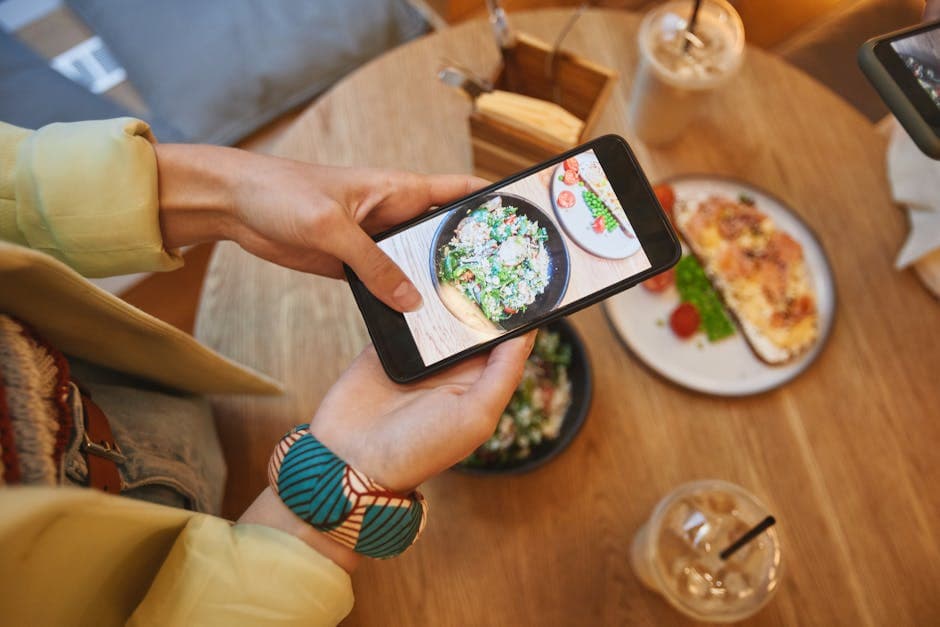
What this means for you: Beverages are high-margin items, so this trend is worth paying attention to. You don't need to invest in an expensive mocktail program. A few house-made agua frescas, a creative lemonade menu, or a couple of non-alcoholic cocktails can set you apart. Make sure these options are visible on your menu, not buried at the bottom. And promote them online. A well-photographed, colorful beverage is some of the best social media content you can create.
How to Act on Food Trends Without Losing Your Identity
The biggest mistake restaurant owners make with food trends is trying to chase all of them at once. That leads to a bloated menu, confused messaging, and wasted inventory. Here's a better approach.
Pick one or two trends that fit your concept. If you run a Southern comfort food restaurant, the nostalgic comfort food and high-protein trends are natural fits. The global flavors trend might be a stretch.
Test with limited-time offers. Don't commit to a permanent menu change right away. Run a special for two or four weeks and see how it performs. Track what sells, what gets talked about, and what customers ask for again.
Let your marketing do the heavy lifting. Sometimes the trend is less about the food itself and more about how you talk about it. Calling out "locally sourced" or "high-protein" on your existing dishes is free and can shift customer perception immediately. Posting about seasonal ingredients on your social media keeps your content fresh and gives followers a reason to check in regularly.
Stay true to your core. Your regulars come back because they love what you already do. Trends should enhance your identity, not replace it.
Frequently Asked Questions About Food Trends for Restaurants
How do I know if a food trend is worth following? Look for trends that align with your existing concept, use ingredients you can source affordably, and reflect genuine shifts in customer behavior rather than one-time viral moments. If a trend has been building for more than six months and shows up across multiple sources (industry publications, social media, supplier reports), it's probably worth exploring.
Do I need to change my menu to keep up with food trends? Not necessarily. Sometimes it's about reframing what you already offer. If your chicken dish is naturally high in protein, call that out. If you source from local farms, put their names on the menu. Small adjustments and better storytelling can be just as effective as adding new items.
How often should I update my menu based on trends? A good rhythm for most independent restaurants is quarterly seasonal updates, with room for monthly or bi-weekly specials. This keeps things fresh without overwhelming your kitchen or confusing your regulars.
What's the easiest way to promote trending menu items? Social media is the most cost-effective channel. A simple photo of a new dish with a short, enthusiastic caption can reach hundreds of local customers. Email marketing to your existing customer base is also highly effective because those people already know and like your food.
Are food trends different for takeout and delivery versus dine-in? Sometimes, yes. Dishes that travel well (bowls, sandwiches, shareable snacks) tend to perform better for online ordering. If you're developing items with takeout in mind, consider how they'll hold up during transit. Photogenic items also matter more for delivery since the customer's first impression comes from a screen, not a server.
Making Food Trends Work for Your Restaurant
Keeping up with food trends doesn't have to be stressful or expensive. The most successful independent restaurants don't chase every new thing. They pay attention, pick what fits, and use smart marketing to make sure customers know about it.
Start with one trend from this list that feels natural for your restaurant. Test it with a special. Talk about it online. See how your customers respond. That's really all it takes to stay relevant and keep your restaurant top of mind.
If you're looking for an easier way to handle the marketing side of things, from posting about new menu items on social media to keeping your online ordering updated, SWIPEBY's AI-powered platform was built to help independent restaurants like yours do exactly that, without adding more to your plate.
SWIPEBY AI
Interested in Increasing Sales Using AI?
Book a demo today and learn how SWIPEBY can help you automate marketing, serve more guests, and grow revenue without working more hours.